
Cake Drum Materials: Corrugated vs MDF vs Acrylic vs grey paper board
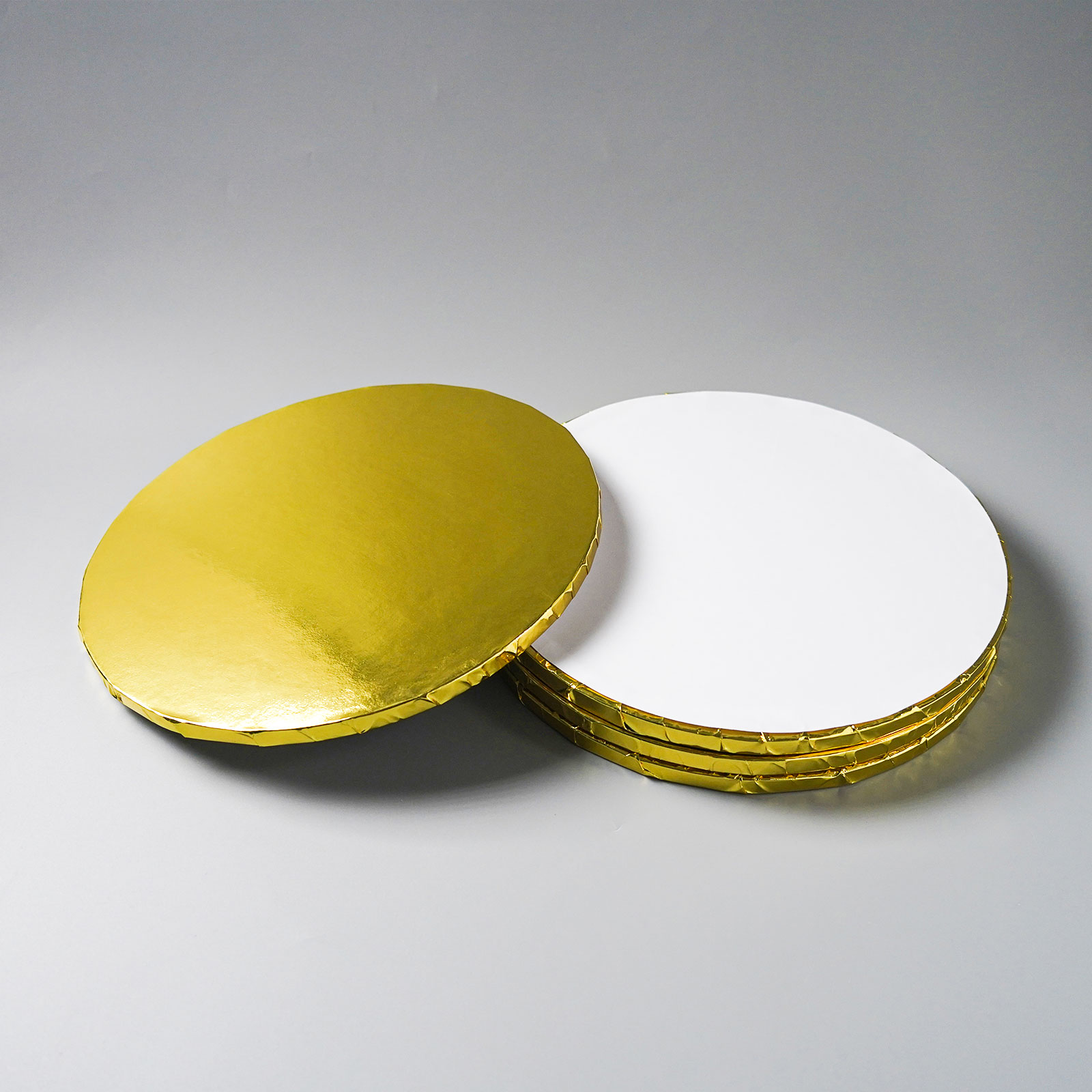
1.Three‑Layer Composite Structure of Heavy‑Duty Cake Boards: Key to Stopping Cake Collapses in‑Store
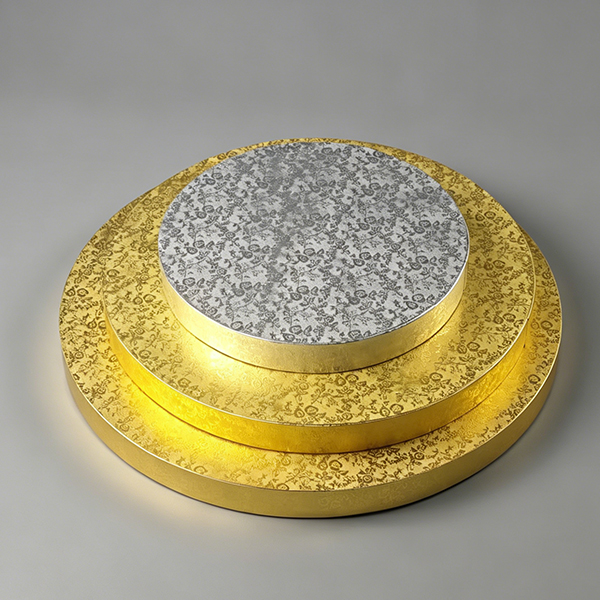
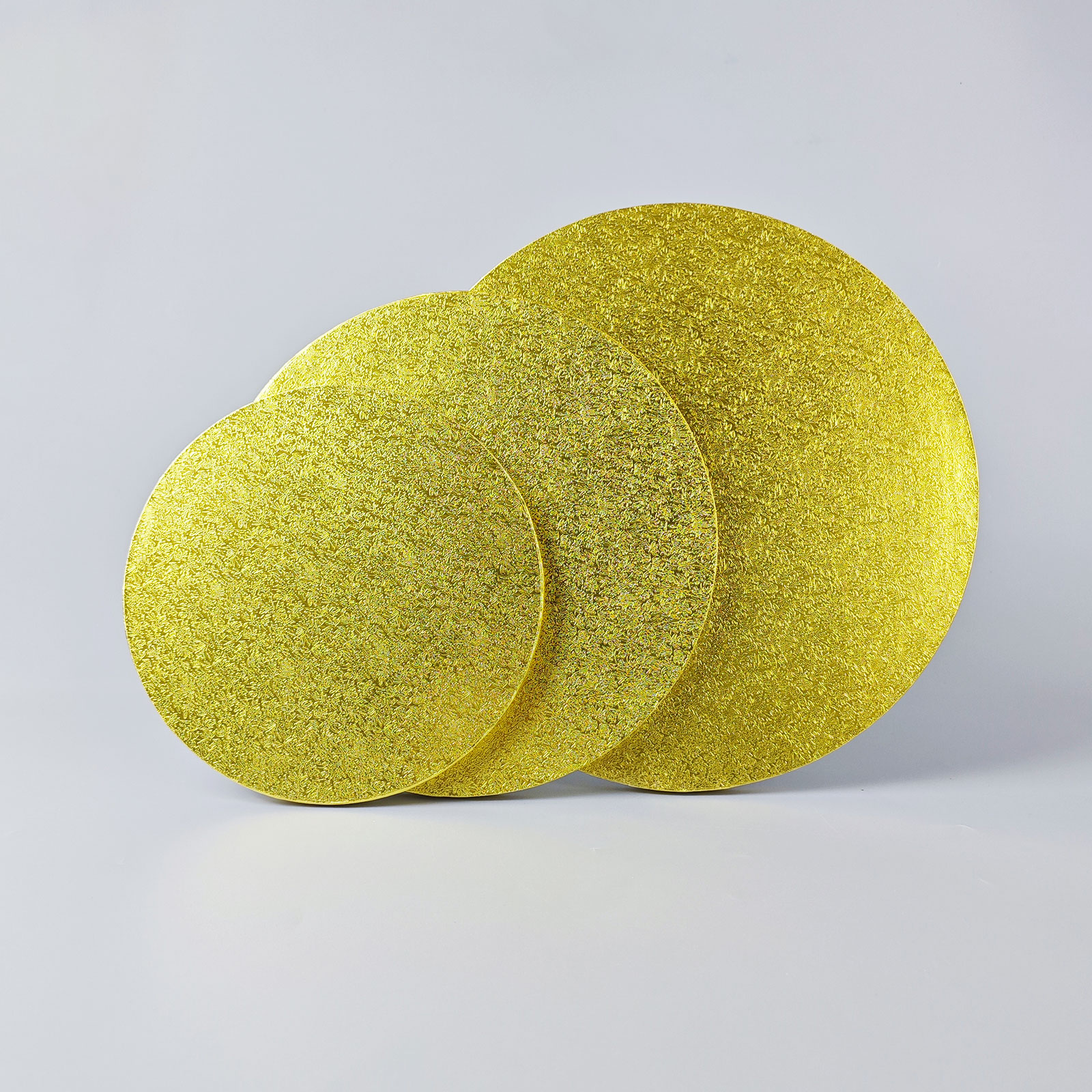
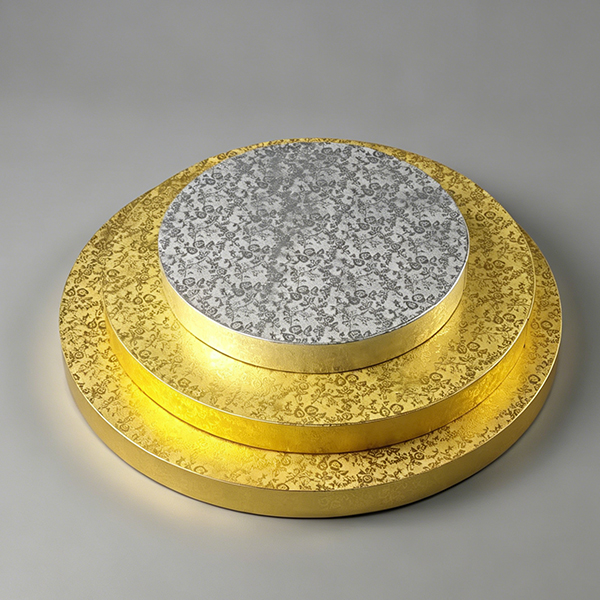
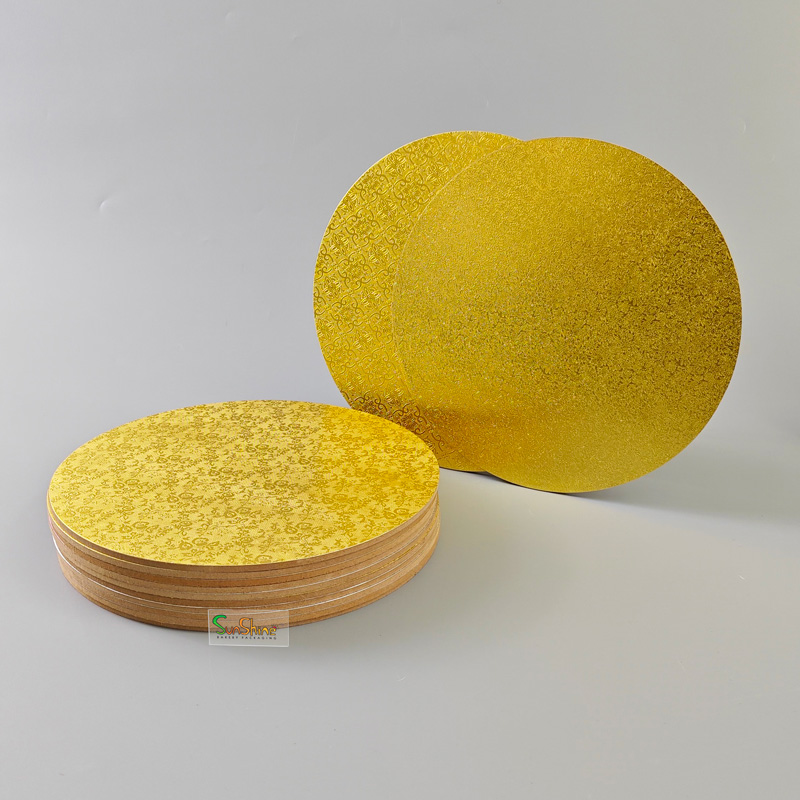
Heavy‑duty cake boards serve as the main load‑bearing base for multi‑tier cakes. The industry‑standard minimum thickness is 6 mm. They are pressed with a three‑layer composite structure and reliably support 2‑5‑tier wedding and celebration cakes. They work well for long‑distance delivery and long‑term window display.
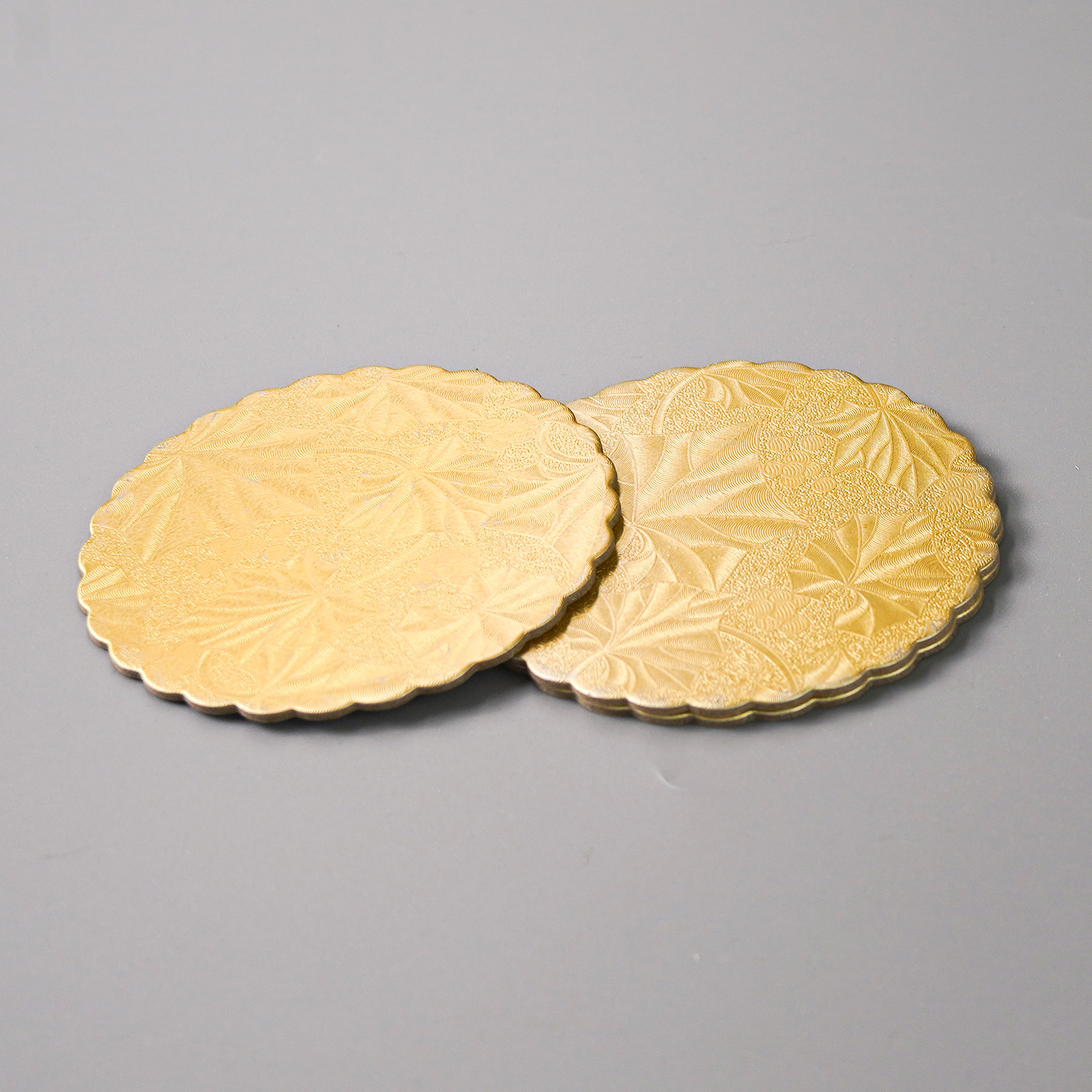
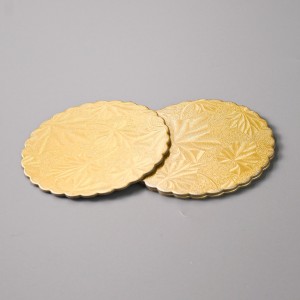
They perform very differently from thin 2‑3 mm cake circles. Thin boards have low load capacity and only fit single‑tier mini‑cakes or sliced desserts. They cannot hold the weight of stacked multi‑layer cakes.
Three‑layer composite construction for heavy‑duty cake boards
1.1 Food‑contact top layer
1.2 High‑density core for load‑bearing
1.3 Anti‑slip protective bottom paper
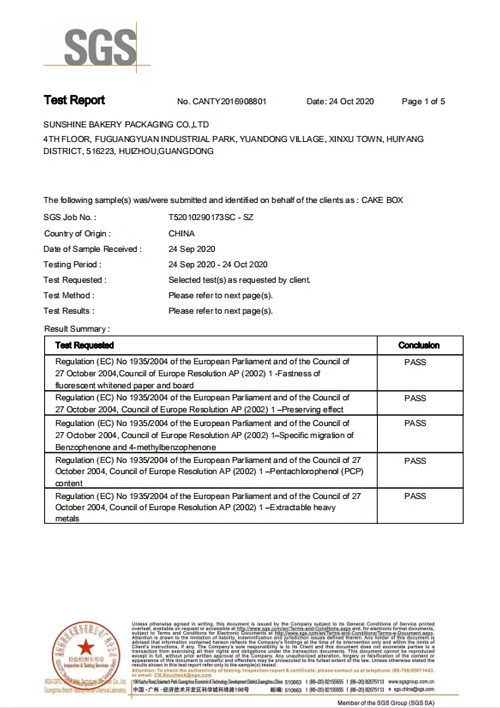
SGS
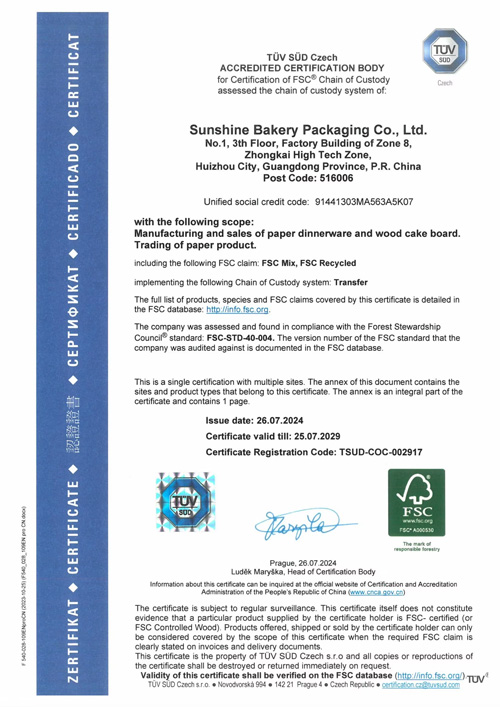
FSC
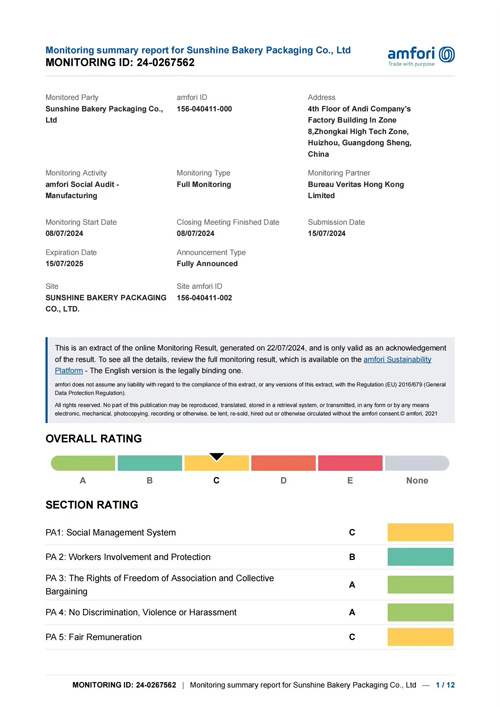
BSCI
2.Performance Comparison of Three Main Cake‑Board Materials
-
Material
Available lamination
Core density grade
Commercial thickness range
Key structural features
Single‑point load at 6 mm thickness
Laminated corrugated cake board
Gloss gold, matte gold, silver, matte white, matte black
Medium density
6 mm‑12 mm
Multi‑ply corrugated with lamination. Good value for money, stable water resistance, large stock availability. Cost‑friendly for home‑bakeries and small shops
≤ 3 kg
MDF cake board
Gloss gold, matte embossed gold, double‑sided silver lamination
High‑density wood fibre (top‑tier load‑bearing in the industry)
2‑5 mm thin version; 6‑9 mm heavy‑duty version
High‑pressure pressed wood‑fibre sheet, perfectly flat surface. Bare MDF absorbs moisture easily. Double‑sided lamination suits humid southern‑climate bakeries. 6 mm+ heavy‑duty boards for 4‑5‑tier heavy wedding cakes
3‑8 kg
Acrylic cake board
Clear, coloured matte finish
High‑density solid acrylic
3‑10 mm
100 % waterproof & oil‑proof, washable, 92 % light transmittance. Ideal for window display and food‑photo styling. Large sizes are brittle; surface scratches easily; higher unit price
≤ 6 kg
Practical buying tips for in‑store purchasing
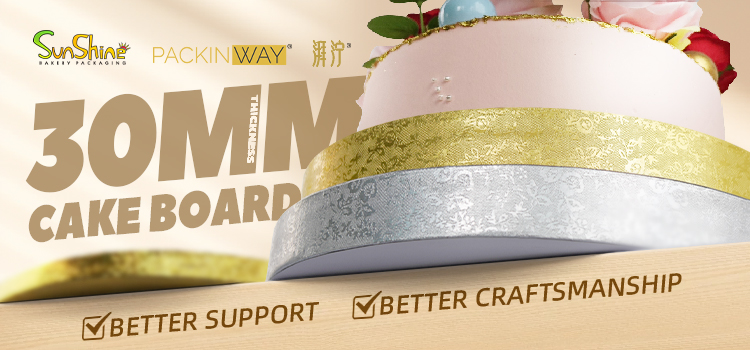
3.Full‑Size Cake‑Board Reference Table for Decorating & Shop Stocking
Industry rule of thumb: Select a cake board 2 inches larger than your finished cake. The extra space leaves room for buttercream finishing and internal support dowels. It also makes carrying easier and prevents cream smudges or over‑hanging, collapsing cake edges.
Benchmark data is based on 12 mm thick laminated corrugated samples. Load capacity for MDF of the same size increases by 50 %.
|
Cake‑board diameter |
Matching finished‑cake size |
Common stocked thickness |
Benchmark load‑bearing (12 mm corrugated / MDF) |
Shop‑use suggestions |
|
8‑inch |
6‑inch standard single‑tier cake |
6 mm heavy‑duty |
4‑5 kg / 1‑2 tiers |
Basic staple size for single‑ and small double‑tier cakes |
|
10‑inch |
8‑inch mainstream birthday cake |
6‑10 mm heavy‑duty |
5 kg (corrugated) / 6‑8 kg (MDF) / 2‑4 tiers |
Standard for birthday cakes. 10‑inch acrylic has limited load capacity; not for long‑distance delivery |
|
12‑inch |
10‑inch engagement / small‑wedding cake |
10 / 12 mm heavy‑duty |
6‑8 kg (corrugated) / 8‑10 kg (MDF) / 3‑5 tiers |
Popular dessert‑table size. Upgrade to MDF for long‑distance shipping |
|
14‑inch |
12‑inch multi‑tier banquet cake |
12 mm corrugated / 12‑15 mm MDF |
10 kg (corrugated) / 10‑12 kg (MDF) / 4+ tiers |
For heavy multi‑tier cakes. Corrugated capacity is limited; MDF recommended |
|
16‑inch |
14‑inch large celebration cake |
15‑24 mm laminated MDF |
10‑12 kg / 4+ giant tiers |
Do not overstock; produce‑to‑order when receiving large jobs |
|
18‑24‑inch |
16‑inch+ giant wedding cake |
15‑24 mm heavy‑duty MDF |
10‑12 kg / 4+ giant tiers |
Low‑order‑volume sizes; all custom‑made to save warehouse space |
Quick load‑limit reference table (for tier‑dowelling by decorators)
|
Board size |
Heavy‑duty corrugated |
MDF |
Acrylic |
|
6‑inch single cake |
2‑3 kg / 1‑2 tiers |
2‑3 kg / 1‑2 tiers |
2‑3 kg / 1‑2 tiers |
|
8‑inch regular cake |
4‑5 kg / 1‑2 tiers |
4‑5 kg / 1‑2 tiers |
3‑4 kg / 1‑2 tiers |
|
10‑inch mainstream cake |
5 kg / max. 2 tiers |
6‑8 kg / 2‑4 tiers |
3‑4 kg / 2‑3 tiers (brittle, static‑display only) |
|
12‑inch wedding‑size |
6‑8 kg / 2‑3 tiers |
8‑10 kg / 3‑5 large tiers |
5‑6 kg / window‑display only |
|
14‑16‑inch large banquet |
10 kg / 4‑5 tiers |
10‑12 kg / 4+ giant tiers |
6‑8 kg / static‑display only |
4.Side‑by‑Side Full Comparison: Thin Boards, Heavy‑Duty Corrugated, MDF & Acrylic
|
Comparison item |
Thin cake board (0.8‑3 mm duplex board; common 2‑3 mm) |
Heavy‑duty laminated corrugated board |
MDF heavy‑duty cake board |
Food‑grade acrylic cake board |
|
Common industry names |
Cake circle, tier‑separator board |
Thick round cake board |
Heavy‑duty cake base, high‑density fibre board |
Clear display board, acrylic cake base |
|
Typical thickness range |
0.8 mm, 2 mm, 3 mm |
6 mm / 10 mm / 12 mm |
2‑5 mm thin; 6‑9 mm heavy‑duty; custom sizes available |
3‑10 mm |
|
Max single‑point load |
Under 2 kg |
3‑10 kg |
8‑12 kg (max for 9 mm heavy‑duty) |
6‑8 kg |
|
Water‑ & moisture‑resistance |
Poor; layers separate easily when wet |
Good; lamination blocks cream and moisture |
Bare MDF absorbs moisture; double‑sided lamination meets moisture‑proof standards |
Fully waterproof & oil‑proof; cream stains wipe clean |
|
Suitable cake tiers |
Single‑tier cakes; separator discs between multi‑cake layers |
Base board for 2‑3‑tier birthday & engagement cakes |
3‑5‑tier heavy‑duty wedding & corporate‑event cakes |
2‑4 tiers for static window‑display; not recommended for delivery |
|
Visual presentation |
Simple budget paper finish |
Gold‑silver lamination works well for weddings and dessert tables |
Smooth premium surface, excellent for photography |
Sleek transparent look, good for social‑media‑trending desserts & cross‑border gift sets |
|
In‑store purchase cost |
Lowest; for sliced‑cake use only |
Mid‑range; main daily‑use product for bakeries |
Higher; for premium‑cake jobs only |
Very high; limited‑quantity display use only |
|
Recycling properties |
Pulp‑based, fully biodegradable |
Paper core recyclable; plastic lamination non‑biodegradable |
Wood‑based recyclable, not biodegradable |
Recyclable plastic, not biodegradable |
|
Shop‑use limitations |
Cannot independently support two‑tier cakes; bends easily in long‑distance delivery |
Risk of collapse for 4+‑tier giant wedding cakes |
Bare MDF cannot sit long‑term in damp storage; thin MDF cannot hold multi‑tier cakes |
Surface scratches easily; large sizes bend; unsuitable for delivery transport |
5.Frequently Asked Questions for Bakery Owners & Cake Decorators
They are completely different bakery‑packaging items. Four key practical distinctions:
- Thickness standard: thin ≤ 3 mm; heavy‑duty ≥ 6 mm.
- Load‑bearing: thin max ~3 kg; corrugated heavy‑duty 3‑10 kg; 6 mm+ MDF up to 12 kg.
- Board structure: heavy‑duty = multi‑ply high‑density core + complete waterproof lamination. Thin boards are single‑ply duplex paper without waterproof edging and delaminate when exposed to moisture from cream.
- Application: thin boards for single‑tier desserts only. Heavy‑duty boards serve as main bases for multi‑tier wedding‑banquet cakes and long‑distance delivery.
Keep small stock of both types to balance daily‑order volume and high‑end‑order profit. Wholesalers can apply this same inventory logic.
- Larger stock: 6‑12 mm laminated corrugated heavy‑duty boards for 2‑3‑tier small‑engagement cakes. Low cost, fast restock for steady everyday orders.
- Small‑quantity premium stock: 6‑9 mm double‑sided laminated heavy‑duty MDF for large 4‑5‑tier wedding centrepieces, high load‑bearing and higher profit margins.
6.Buying Summary: Core Stocking & Selection Principles for Bakers and Decorators
As bakery‑shop competition intensifies in 2026, cake appearance and damage‑free delivery directly drive repeat business. Distinguish four product groups: thin separator circles, laminated corrugated heavy‑duty boards, MDF heavy‑duty bases and acrylic display boards. This will greatly reduce after‑sales trouble caused by cake collapse and cream leakage.
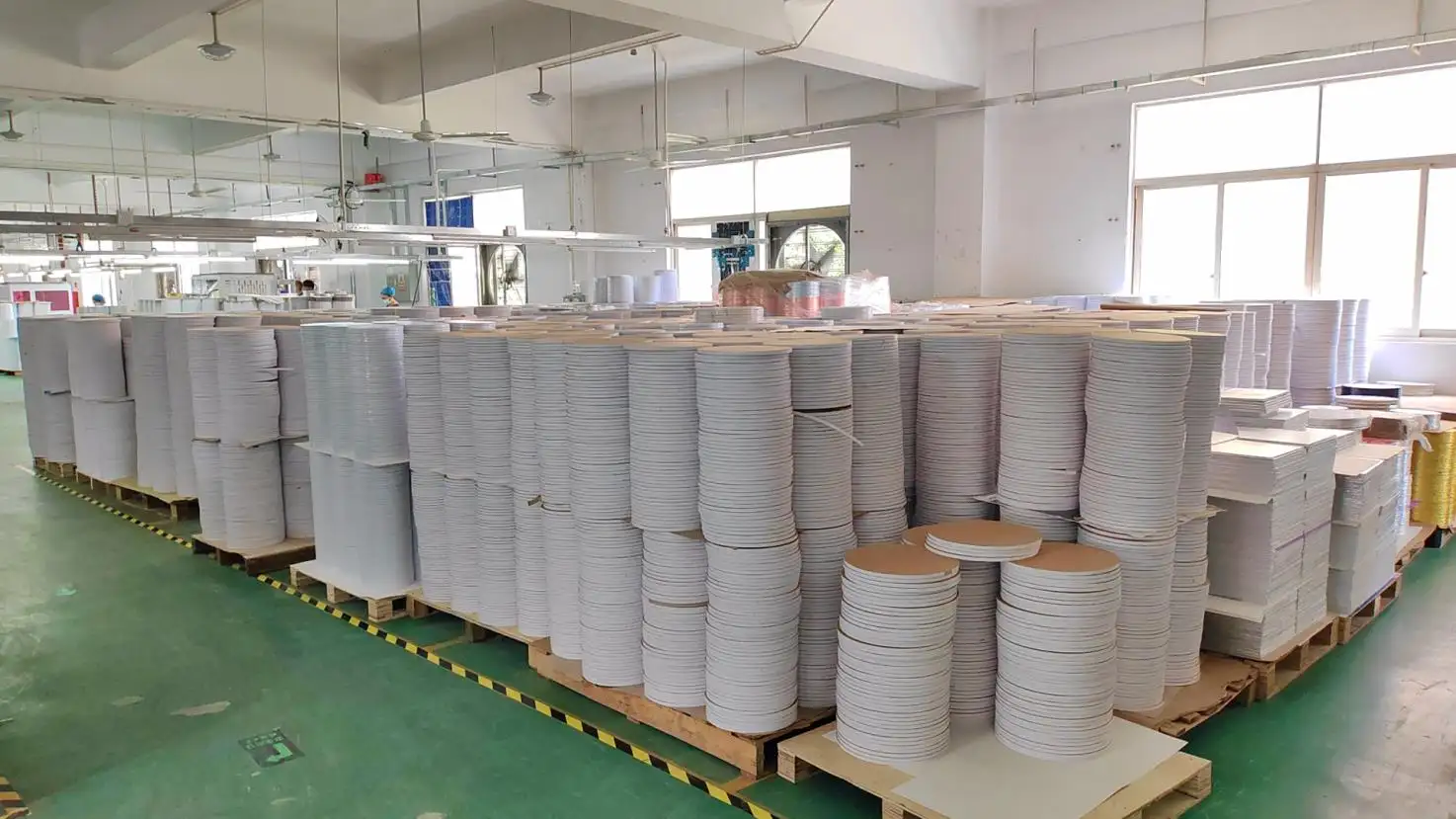
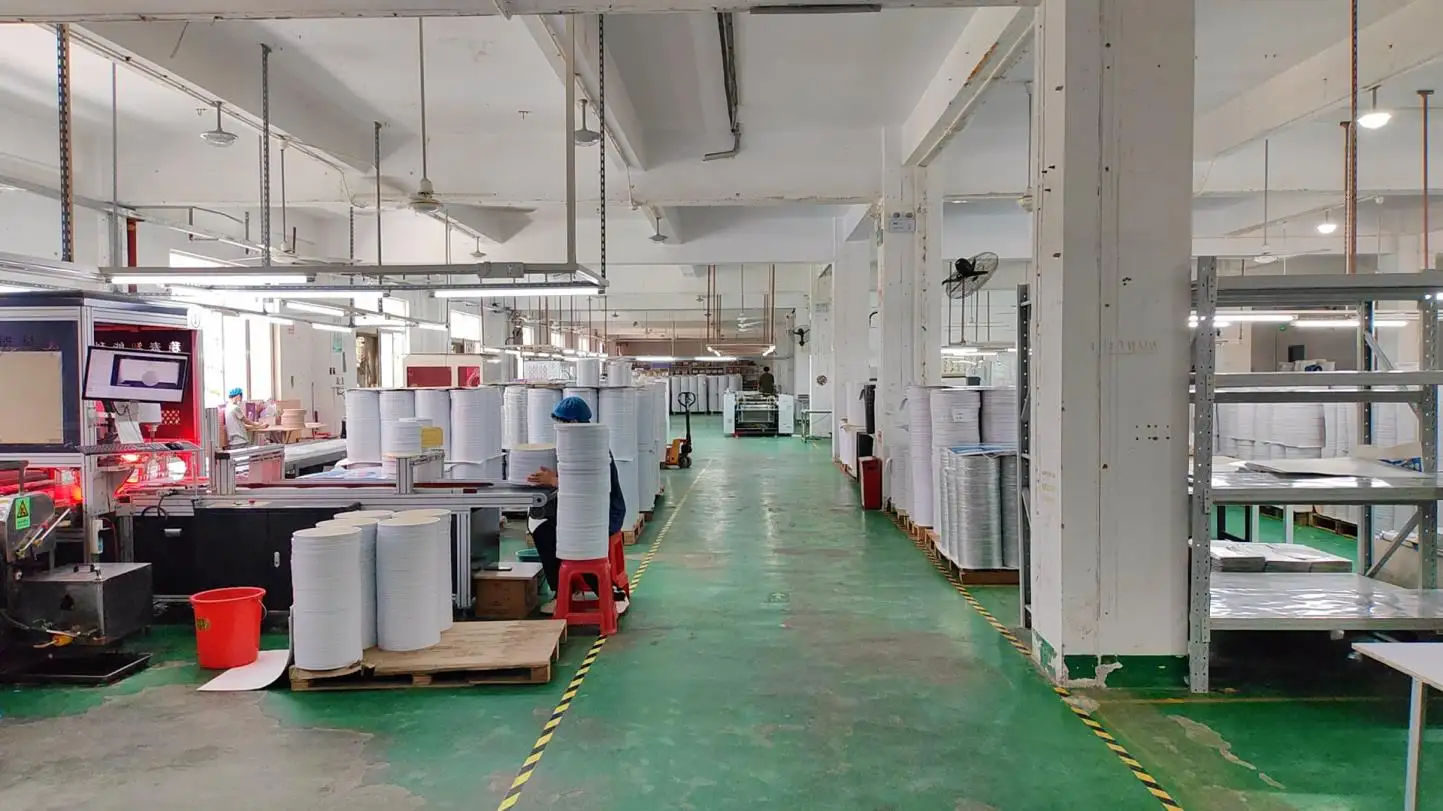
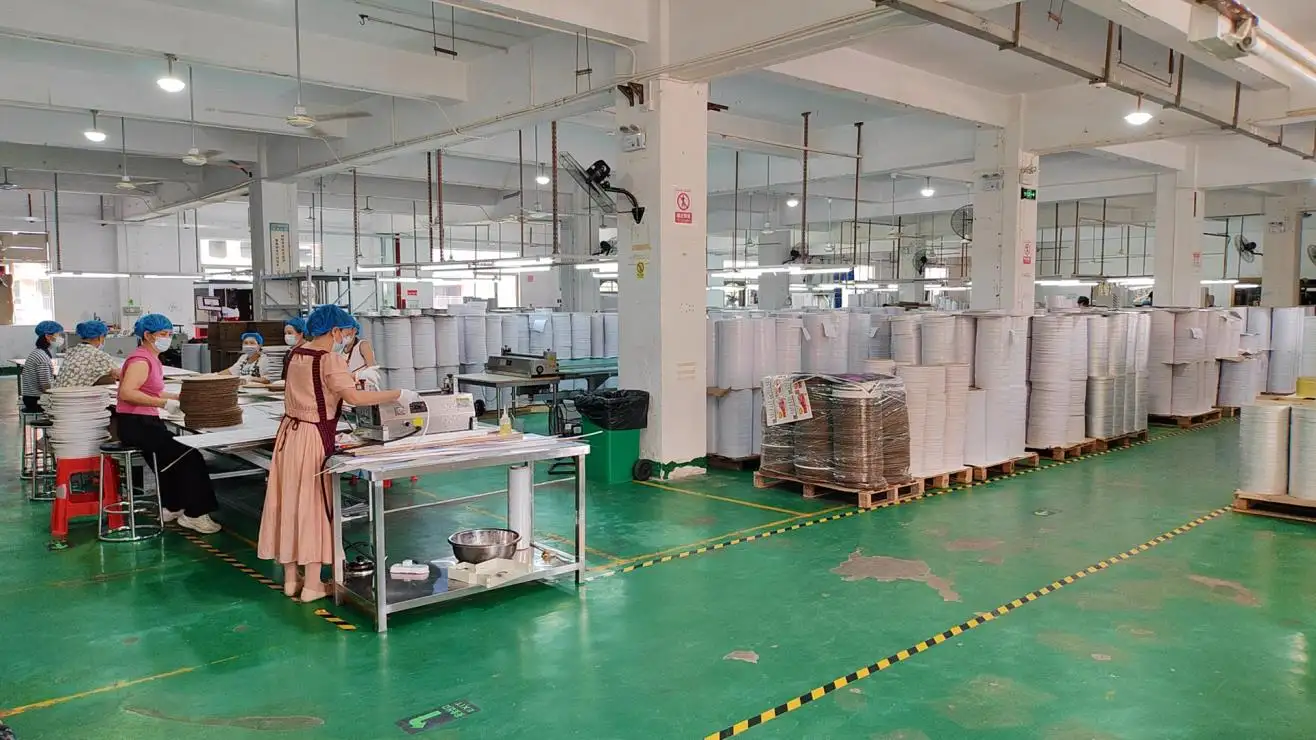
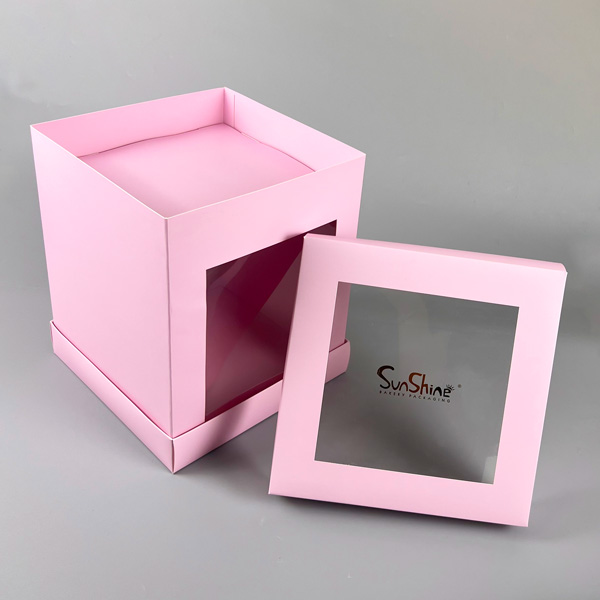
As a full‑service bakery‑packaging supplier with in‑house manufacturing, Sunshine PACKINWAY supplies small‑lot ready‑stock for bakery‑shop operators. For cake‑board and cake‑box wholesalers we offer full‑size drop‑shipment, custom odd‑shape extra‑thick boards and combined box‑and‑board OEM manufacturing services.
Sunshine PACKINWAY provides free material‑sample kits including corrugated, MDF and acrylic comparison swatches. Contact our factory customer service to request samples. Test real samples and select rock‑solid cake bases for your business.
.jpg)
Related Products
Post time: Oct-09-2026