
Cakes aren’t just a treat for your taste buds—they’re little messengers of joy. Birthday happiness, celebration fun, holiday warmth—all in those soft, fluffy sweet layers. And the cake box? It’s not just a plain container; it’s a gentle protector for your sweet cake. Pick the right one, and your cake stays perfect when you carry or show it—even making that sweetness feel more special. But pick the wrong one? You might get a squashed cake, melted cream, or broken decorations. Your kind gesture could turn into a big disappointment. So how do you find the best cake box? Let’s share six simple tips to help you choose like an expert.
.png)
I.Precisely matching cake sizes: No more wobbling or squeezing!
When choosing a cake box, the first thing is to get the right size—I’ve made this mistake before.
- First, measure the width (for round cakes) or the side length (for square cakes).
- The key part: measure the "full height" of the cake. Don’t just measure the cake itself—you need to include the height of the frosting and any cartoon decorations on top!
II.Choosing the Material Based on Cake Characteristics: Balancing Load-Bearing Capacity and Preservation
The material of a cake box directly determines its load-bearing capacity, preservation effect, and protective performance, and should be selected based on the type (single-layer/multi-layer, room temperature/refrigerated) and weight of the cake. Currently, the common cake box materials on the market mainly include the following:
Corrugated Cardboard Cake Boxes
Corrugated cardboard has three types: single-wall, double-wall, triple-wall. More layers = stronger for holding weight.
- Single-wall: Good for small single-layer cakes (≤1 kg). - Double-wall: Works for 2-3 kg multi-layer cakes. - Triple-wall: Great for big celebration cakes or multi-layer cakes over 3 kg.
Pros:
- Stands pressure well.
- Protects from bumps during shipping.
- Eco-friendly (can be recycled).
Cons:
- Not waterproof. If you ship the cake in cold places, add a waterproof PE film inside the box.
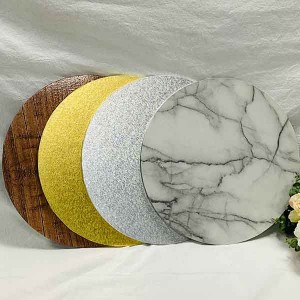
- Cardboard: Common types include white cardboard, gold cardboard, silver cardboard, etc. The material is relatively rigid, with a smooth surface, suitable for printing exquisite patterns and providing a good visual effect. However, cardboard has a weak load-bearing capacity and is only suitable for single-layer, lightweight cakes (≤ 0.5 kg) or cupcake gift boxes, not suitable for multi-layer or heavy cakes.
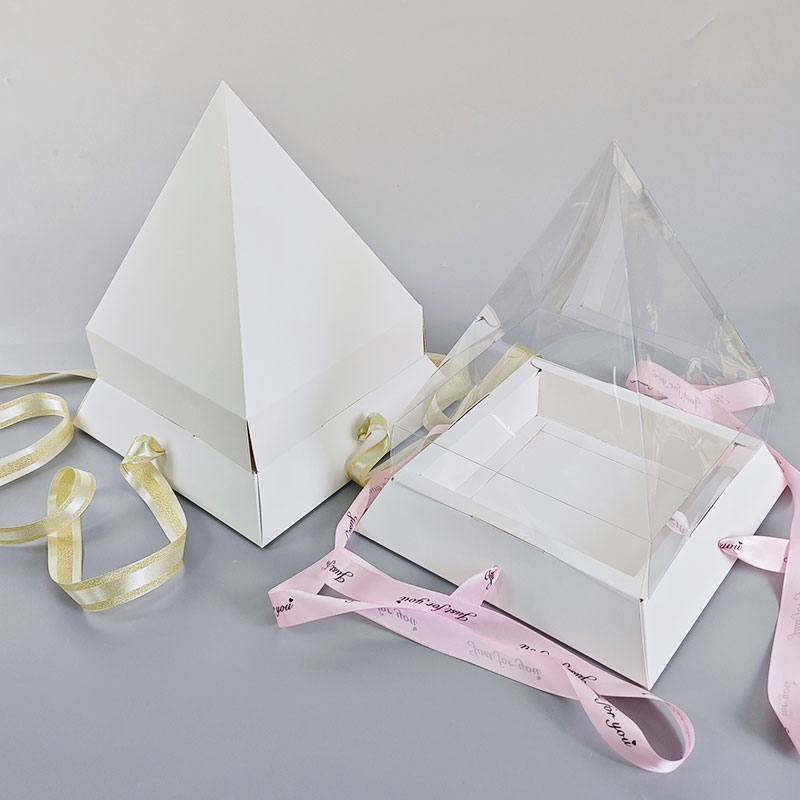
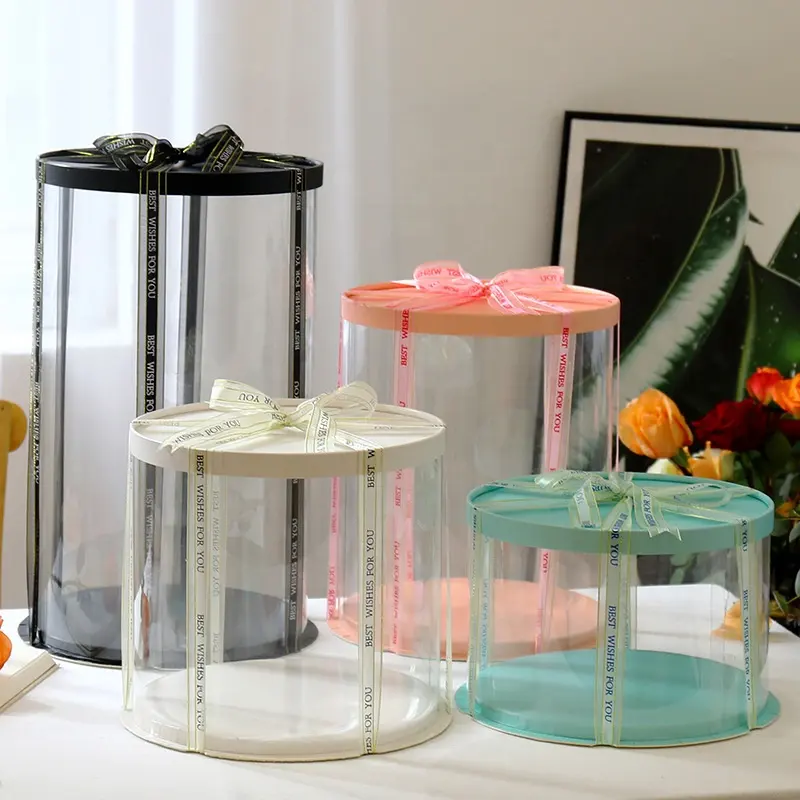
- PET transparent material: Mostly a combination of PET plastic and cardboard. The box body or lid is made of transparent PET material, which can clearly display the cake's shape and decoration. The advantages of this material are high aesthetic appeal and good water resistance, suitable for scenarios where the cake's appearance needs to be showcased (such as dessert shop displays, gifts); the disadvantage is that the load-bearing capacity is moderate, generally suitable for single-layer cakes weighing 1-2 kg, and care should be taken to avoid high temperature exposure to prevent deformation of the PET material.
- Foam material: The interior is a foam insulation layer, and the exterior is wrapped with cardboard or Oxford cloth. It has good insulation and preservation effects, suitable for mousse cakes, cheesecakes, or cakes transported in high-temperature environments during summer that require refrigeration. Foam material can maintain a stable temperature inside the box, preventing the cream from melting, but its load-bearing capacity is limited, and it is bulky and inconvenient to carry.
III.Focus on structural design: Details determine safety.
When choosing a cake box, the first thing is to pick the right size—I’ve made this mistake before.
Actually, measuring is very easy. Just use a tape measure:
First, measure the cake’s diameter (for round cakes) or side length (for square cakes).
The most important thing is to measure the "total height" – don’t just measure the cake itself. You need to include the cream decorations and any cartoon toys on top (kids love these!).
The extra space on the sides stops the cake from being crushed. The space above protects the top decorations.
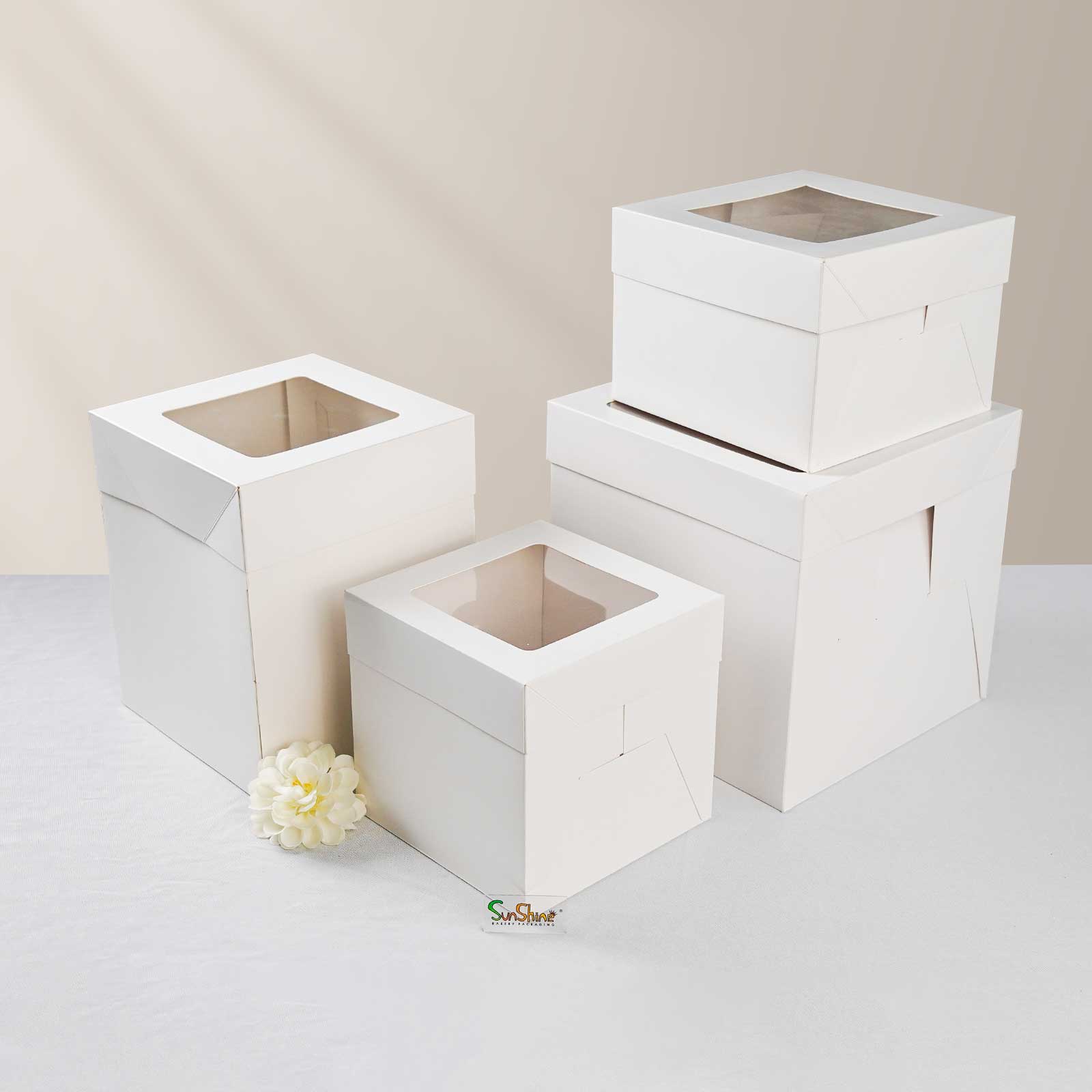
Besides the size, the structural design of the cake box is also crucial, directly affecting how easy it is to use and how safe the cake is. Pay close attention to these details:
1. Bottom load-bearing capacity: A good cake box either has "reinforcing ribs" on the bottom or is made of double-layered corrugated cardboard to support the weight of the cake and prevent the bottom from collapsing. When buying, you can gently press the bottom of the box; if it's soft and deforms easily, it definitely won't hold a heavy cake. The cheap box I bought last time had this problem; it almost leaked at the bottom when I put a two-tiered cake in it.
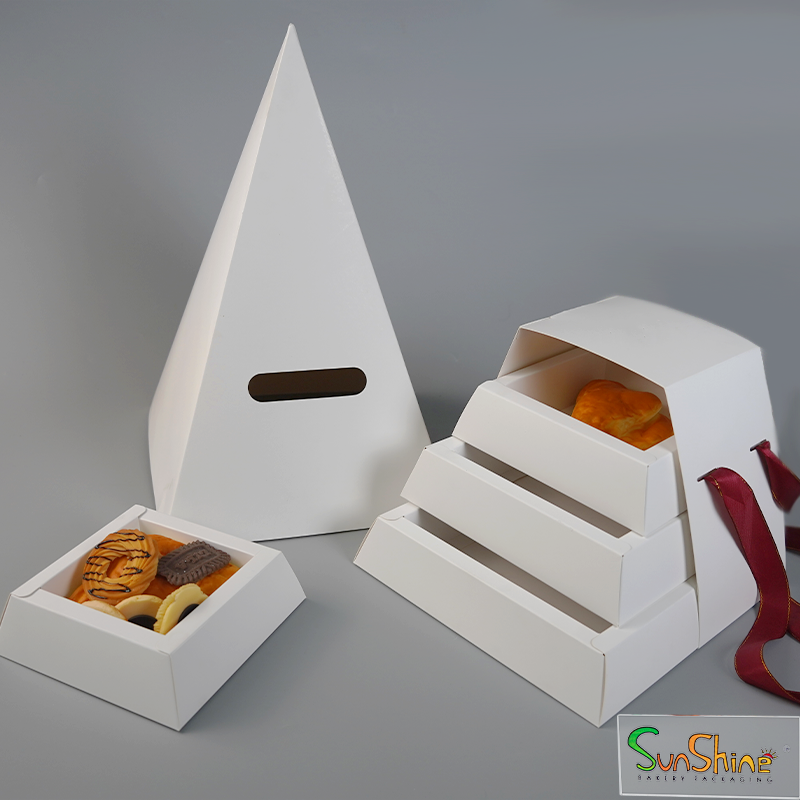
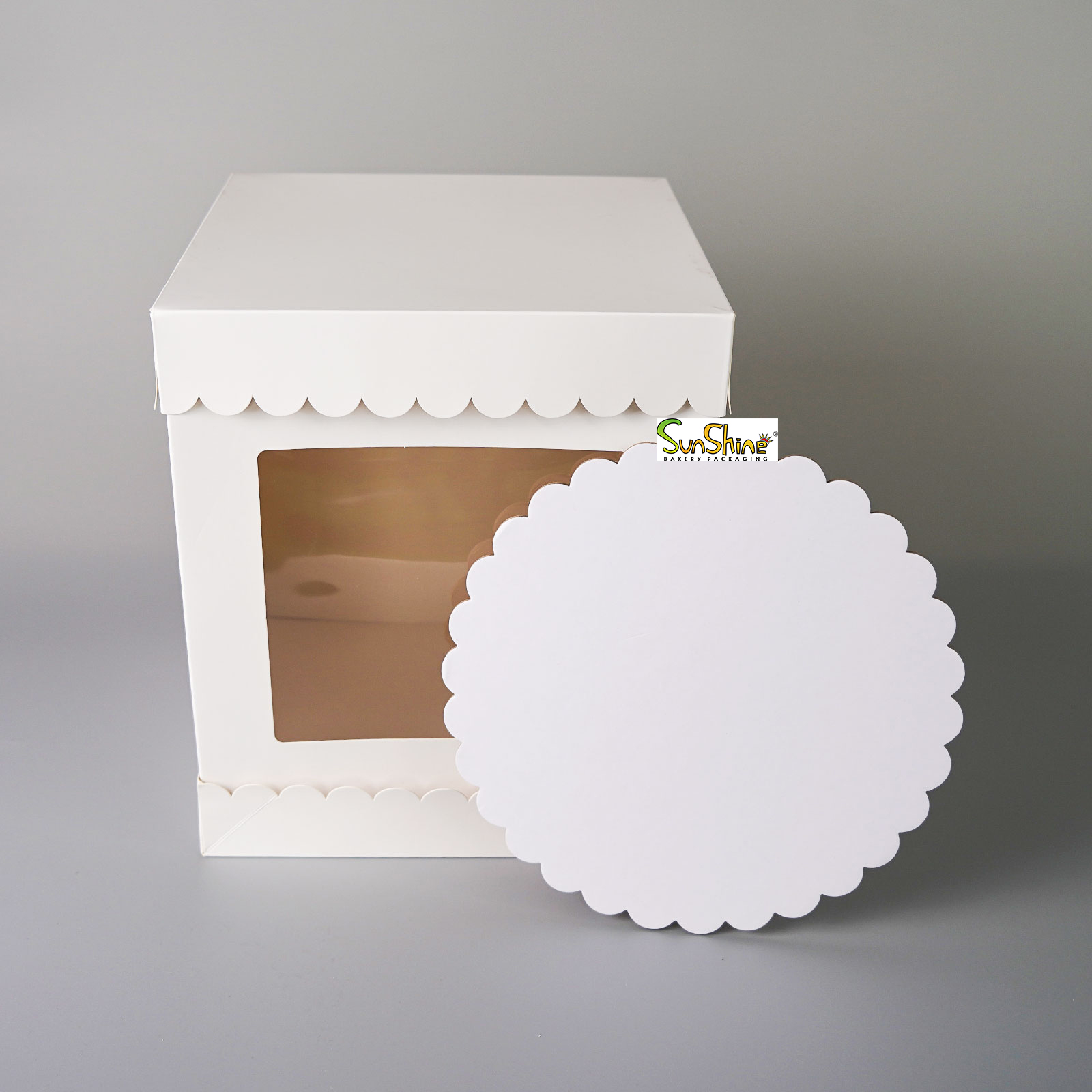
2. Internal fixing parts: If you're buying a multi-layered cake or a complexly shaped cake, be sure to choose a box with a cake tray, fixing clips, or foam padding. The cake tray can firmly attach the cake to the bottom of the box, preventing it from sliding around; the fixing clips can hold each layer of the cake to prevent it from falling over; and the foam padding can be placed in the gaps between the cake and the box walls to provide cushioning. The dinosaur cake I bought for my child last time was protected by these fixing parts, and it didn't deform at all even after being carried all the way home.
IV.Combining usage scenarios: Balancing practicality and aesthetics.
Choosing a cake box for different occasions really depends on your needs – it needs to be both practical and suit the atmosphere:
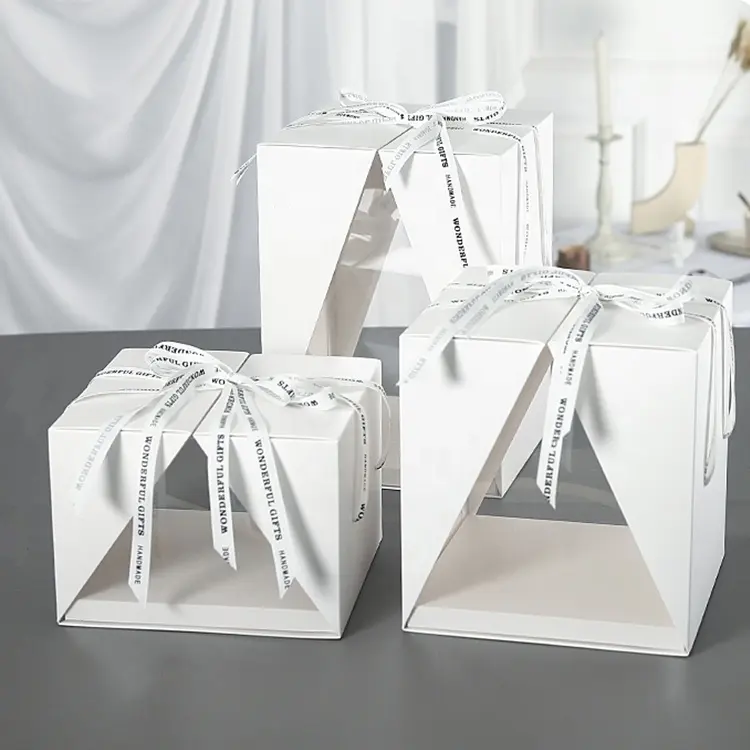
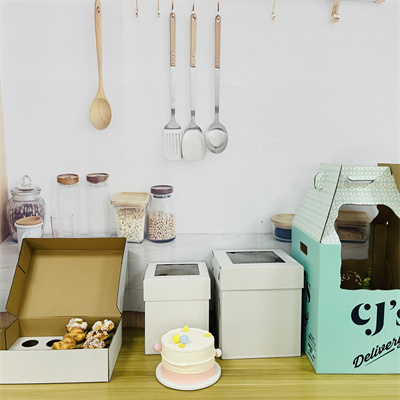
For everyday use or picking up a cake from the store: Choose something lightweight and easy to carry, such as a corrugated cardboard box with a handle. The handle is key; it needs to be sturdy, preferably made of reinforced webbing or thick paper, otherwise, it's a hassle if it breaks halfway – I once had a handle suddenly break, almost dropping the cake on the ground, which was quite a scare. Simple white, off-white, or light colors are fine; they're versatile and won't clash with any cake style.
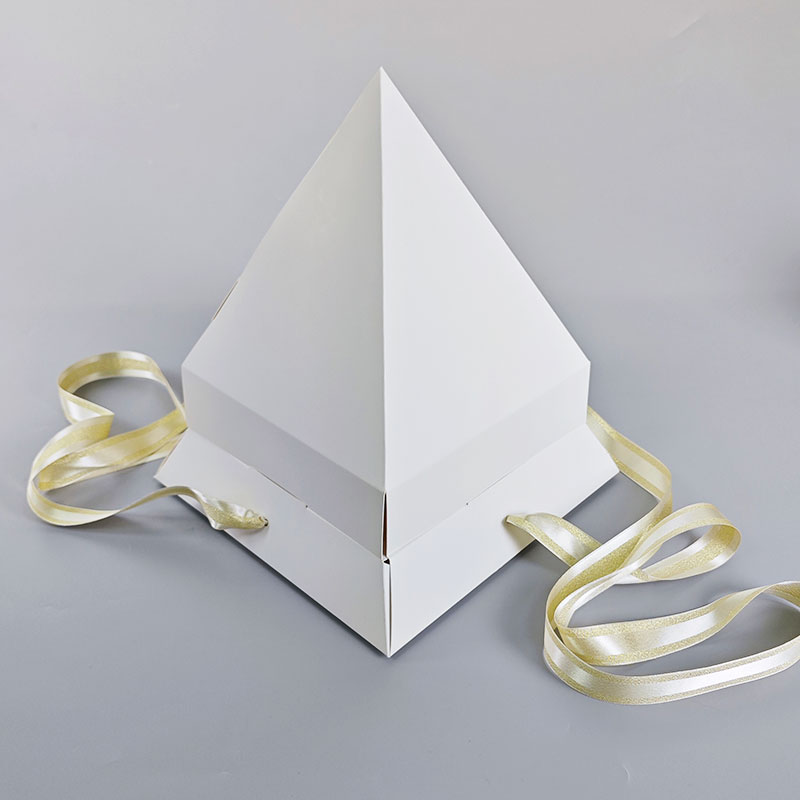
When giving a cake as a gift: Appearance and quality are important. Gold or silver cardboard looks classy, and transparent PET material is also good, allowing you to see the cake inside, which looks appetizing. Printing small patterns, greetings, or using hot stamping or silver stamping techniques adds a touch of sophistication. Last time I gave a birthday cake to a friend, I chose a box with a gold-stamped pattern and a lift-off lid, and she complimented how "exquisite the box was" when she opened it. For holidays like Christmas or Mid-Autumn Festival, choose custom-made boxes with festive elements, such as a snowman or Christmas tree for Christmas, or a moon and jade rabbit for the Mid-Autumn Festival, instantly enhancing the celebratory feel.
For long-distance transportation or ordering cake delivery: Practicality is paramount! Pressure resistance and sealing must be top-notch! Choose double or triple-walled corrugated boxes; they're sturdy and less likely to be crushed. Combine this with waterproof PE film and internal fixing clips and cake trays to keep the cake stable. If the transportation time exceeds one hour, or if it's hot, remember to put an ice pack in the box – make sure to wrap it in a resealable bag, otherwise, condensation will seep out and wet the bottom of the cake. Also, stick "Fragile," "Handle with care," and "Do not invert" labels on the outside of the box to remind the delivery person to be careful, which can prevent many problems. I used this method when shipping a cake across provinces, and it arrived perfectly intact.
V.Emphasize additional features: Enhance the user experience.
When choosing a cake box, pay attention to a few thoughtful design details that can make a big difference in usability:
Water resistance is crucial! Especially during humid weather or when the cake needs to be transported in a refrigerated environment, a box that gets damp will become soft and flimsy, potentially affecting the cake. It's recommended to choose corrugated cardboard boxes with a waterproof coating on the surface, or those made of PET material. Even if they get a little wet or come into contact with condensation, the box will remain sturdy.
Don't overlook breathability – for cakes like chiffon or sponge cakes that are stored at room temperature, a completely airtight box will cause them to become soft and sticky after a while, ruining the texture. Choose boxes with ventilation holes or small gaps along the edges of the lid to allow air circulation, which will help the cake last longer and maintain a better texture.
If you're concerned about environmental protection, choose boxes with thick materials and a sturdy structure. After use, wash and dry them, and they can be reused as storage boxes – perfect for snacks, children's small toys, or baking tools. This allows for reuse and saves you the cost of buying separate storage boxes – a win-win situation.
6.Avoiding common pitfalls: steer clear of mistakes.
For multi-layer cakes over 2 kg, a single-layer corrugated box will likely get bent or even break. I saw a cake shop use a single-layer box to deliver a three-tiered cake. When it arrived, the box sides were dented.
For such cakes, choose a double or triple-layer corrugated box. Add internal clips and a cake base to keep it stable.
How big and heavy is the cake?
What type of cake is it?
What occasion is it for?
What extra functions do you need?
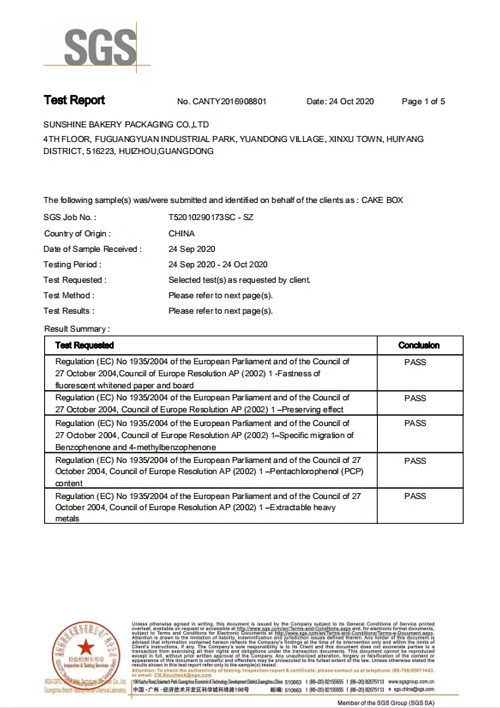
SGS
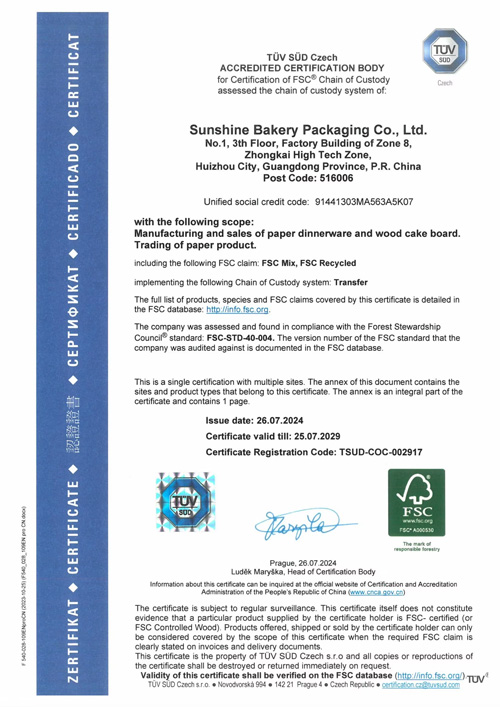
FSC
BSCI
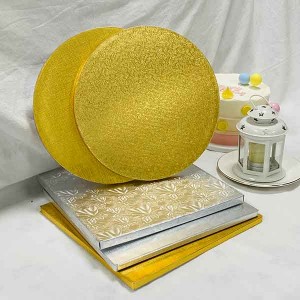
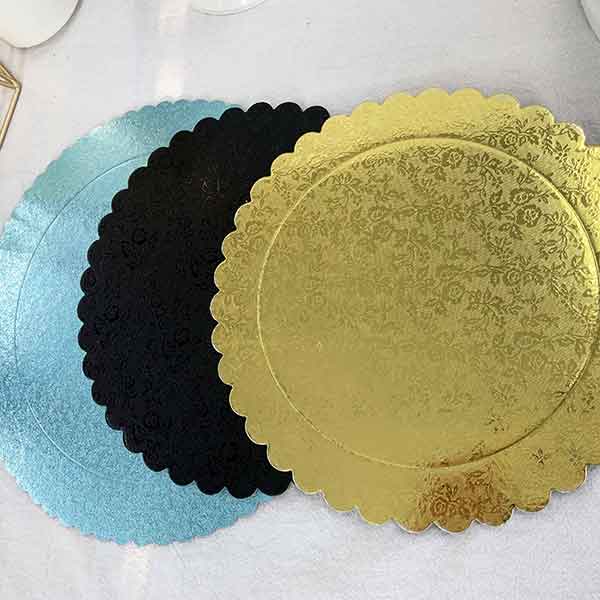
Related Products
Post time: Dec-11-2025